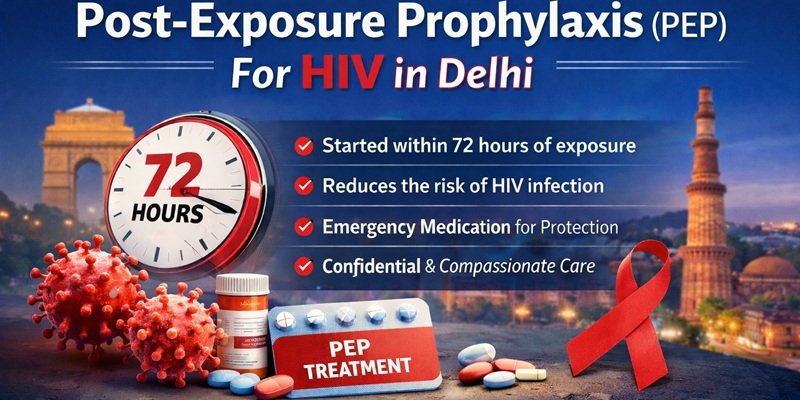
Post-Exposure Prophylaxis (PEP) For HIV in Delhi – Dr P K Gupta, MBBS, MD, PGDS
Introduction
Life can sometimes throw unexpected situations at us. A moment of uncertainty—such as unprotected sex, a needle injury, or possible exposure to HIV—can lead to fear and confusion. In such moments, knowing that effective medical help is available can make all the difference.
One of the most important emergency treatments available today is Post-Exposure Prophylaxis (PEP). If taken within a short window after potential exposure to HIV, PEP can significantly reduce the chances of infection. Think of it like a fire extinguisher for HIV exposure—it works best when used quickly after the spark.
If you are looking for Post-Exposure Prophylaxis (PEP) For HIV in Delhi, consulting an experienced specialist like Dr P K Gupta (MBBS, MD, PGDS) can provide timely diagnosis, proper medication, and confidential guidance. Early action is critical, and the right medical advice can protect your health and peace of mind.
1. Understanding HIV and Why Prevention Matters
Human Immunodeficiency Virus (HIV) is a virus that attacks the immune system. If left untreated, it can weaken the body’s ability to fight infections and diseases.
But the good news is that modern medicine has made HIV prevention and treatment much more effective than ever before. Early prevention strategies like PEP can stop the virus from taking hold in the body.
Many people panic after possible exposure. But instead of worrying, taking immediate medical action can protect your health.
2. What is Post-Exposure Prophylaxis (PEP)?
Post-Exposure Prophylaxis (PEP) is an emergency medical treatment used after a possible exposure to HIV to prevent infection.
PEP involves a combination of anti-HIV medications taken for 28 days. These medicines work by preventing the virus from multiplying inside the body.
However, PEP is not a routine prevention method. It is only used in emergency situations when exposure may have already occurred.
3. How Does PEP Work?
To understand PEP, imagine HIV as a small group of invaders trying to enter a city.
If the city gates close quickly, the invaders cannot settle or grow. PEP works in a similar way. The medicines block HIV from multiplying and spreading inside the body, stopping the infection before it becomes permanent.
The earlier PEP is started, the better it works.
4. When Should You Take PEP?
PEP must be started as soon as possible after potential HIV exposure.
Ideally, treatment should begin within 2 hours to 24 hours, and it must be started within 72 hours (3 days) of exposure.
After 72 hours, the effectiveness of PEP decreases significantly.
This is why seeking immediate medical consultation is extremely important.
5. Situations That May Require PEP
There are several situations where a doctor may recommend Post-Exposure Prophylaxis (PEP) For HIV in Delhi.
Some common examples include:
Unprotected sexual contact with someone whose HIV status is unknown or positive
Condom breakage during intercourse
Needle stick injuries among healthcare workers
Sharing needles or syringes
Sexual assault or rape
Contact with blood or body fluids that may contain HIV
If you think you may have been exposed, do not wait or assume the risk is small. Getting medical advice quickly is the safest step.
6. The Importance of the 72-Hour Window
The 72-hour window is critical for PEP to work effectively.
HIV does not immediately spread throughout the body. In the early hours after exposure, the virus is still trying to establish itself.
Starting medication during this time can stop the virus before it spreads.
Think of it like locking the door before a burglar enters the house. Once the virus settles in, preventing infection becomes much harder.
7. Steps Involved in Getting PEP Treatment
If you visit a doctor for PEP treatment, several steps are usually followed.
Risk assessment – The doctor evaluates the situation and determines whether PEP is needed.
HIV testing – A baseline HIV test is done before starting treatment.
Medication prescription – Anti-HIV medicines are prescribed for 28 days.
Follow-up tests – HIV tests are repeated after a few weeks and months.
These steps help ensure safe and effective prevention.
8. What Medications Are Used in PEP?
PEP usually involves a combination of antiretroviral drugs that stop HIV from multiplying.
These medicines are commonly used in HIV treatment as well, but in PEP they are used temporarily to prevent infection.
The exact medication plan may vary depending on:
-
Individual health conditions
-
Risk level of exposure
-
Medical history
A qualified specialist like Dr P K Gupta carefully selects the most appropriate treatment plan.
9. Possible Side Effects of PEP
Most people tolerate PEP medications well.
However, some mild side effects may occur, such as:
-
Nausea
-
Fatigue
-
Headache
-
Mild stomach discomfort
These symptoms are usually temporary and manageable. Doctors may also provide medicines to control side effects if needed.
Remember, the benefits of preventing HIV far outweigh these temporary discomforts.
10. Effectiveness of PEP in Preventing HIV
When taken correctly and started early, PEP can reduce the risk of HIV infection by more than 80% to 90%.
However, success depends on several factors:
-
Starting treatment quickly
-
Taking medicines daily for 28 days
-
Completing follow-up testing
Skipping doses or stopping treatment early can reduce effectiveness.
That is why medical supervision throughout the treatment period is essential.
11. Who Should Consider PEP?
PEP is recommended for individuals who may have had recent exposure to HIV risk.
This may include:
-
Individuals after unprotected sex
-
Healthcare workers after needle injury
-
People exposed to infected blood
-
Survivors of sexual assault
-
Anyone concerned about possible HIV exposure
If you are unsure whether you need PEP, consulting a specialist immediately is the safest choice.
12. Why Choose Dr P K Gupta for PEP in Delhi
When dealing with something as sensitive as HIV exposure, experience and confidentiality matter greatly.
Dr P K Gupta (MBBS, MD, PGDS) is a highly experienced STD and HIV specialist in Delhi with extensive experience in diagnosing and managing sexually transmitted infections.
Patients choose him because of:
-
Accurate diagnosis
-
Confidential consultations
-
Latest HIV prevention treatments
-
Personalized care
Most importantly, patients receive honest medical guidance without judgment.
13. Confidential and Non-Judgmental Consultation
Many people hesitate to seek help because they fear embarrassment or social stigma.
However, medical professionals are trained to handle such situations with complete confidentiality and respect.
During consultation, you can openly discuss:
-
Your exposure risk
-
Symptoms or concerns
-
Preventive measures
Your privacy and dignity are always protected.
14. Preventing HIV After PEP Treatment
After completing PEP, it is important to focus on long-term HIV prevention.
Doctors may recommend:
-
Regular HIV testing
-
Safe sexual practices
-
Using condoms consistently
-
Avoiding needle sharing
In some cases, doctors may also discuss Pre-Exposure Prophylaxis (PrEP) for individuals at higher ongoing risk.
Prevention is always better than cure, and awareness is the strongest protection.
Conclusion
Facing a possible HIV exposure can be frightening, but quick action can make a huge difference. Post-Exposure Prophylaxis (PEP) offers a powerful way to prevent HIV infection if started within the critical 72-hour window.
If you believe you may have been exposed to HIV, do not panic—but do not delay either. Seeking expert medical care for Post-Exposure Prophylaxis (PEP) For HIV in Delhi can help protect your health and future.
Experienced specialists like Dr P K Gupta provide the guidance, treatment, and confidentiality needed during such sensitive situations. Remember, taking the first step toward medical help is the most important step toward protection.
FAQs
1. What is Post-Exposure Prophylaxis (PEP) for HIV?
PEP is an emergency HIV prevention treatment that involves taking antiretroviral medicines for 28 days after potential exposure to HIV.
2. How soon should PEP be started after HIV exposure?
PEP should ideally be started within 2 to 24 hours, but it must be taken within 72 hours after exposure to be effective.
3. Is PEP 100% effective in preventing HIV?
No, PEP is not 100% effective, but when started early and taken correctly, it can reduce the risk of HIV infection by more than 80–90%.
4. Do PEP medications have serious side effects?
Most people experience mild and temporary side effects like nausea or fatigue. Serious side effects are rare and manageable under medical supervision.
5. Where can I get Post-Exposure Prophylaxis (PEP) For HIV in Delhi?
You can consult Dr P K Gupta, an experienced STD and HIV specialist in Delhi, for confidential evaluation and prompt PEP treatment.
Contact Us
Dr P K Gupta
MBBS, MD, PGDS
STD & HIV Specialist
📞 Phone: +91 9999925201
📍 Address:
Dr P K Gupta Super Speciality Clinic Pvt Ltd
1B, 2nd Floor, Metro Tower, Old Rajinder Nagar, Attached to Gate No 8, Karol Bagh Metro Station,
New Delhi – 110060
⏰ Consultation: By Appointment Only
If you think you may have been exposed to HIV, contact immediately for expert guidance and timely PEP treatment.