

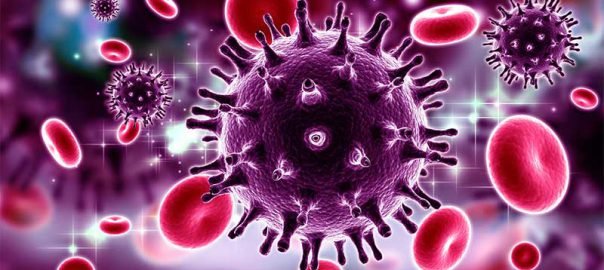
Shaping the Next Era of HIV
The global response to HIV is entering an important new phase. Decades of research have transformed HIV from a condition that once had limited treatment options into a manageable chronic health condition for people who can access and maintain effective antiretroviral therapy.
At the same time, HIV prevention is changing rapidly. Long-acting medicines, expanded testing options, improved treatment approaches, digital health services, and community-led programmes are creating new possibilities for the future.
The challenge now is not simply developing new scientific tools. It is ensuring that effective prevention, testing, treatment, and care reach the people who need them.
According to UNAIDS, there were approximately 1.2 million new HIV infections in 2025, while about 40.9 million people were living with HIV and 78% were receiving treatment.
The Future of HIV Prevention Is Becoming More Flexible
For many years, HIV prevention has included condoms, HIV testing, post-exposure prophylaxis (PEP), and oral pre-exposure prophylaxis (PrEP).
Today, people have an expanding range of prevention options.
One of the major developments is long-acting HIV prevention. In 2025, the World Health Organization recommended injectable lenacapavir, administered twice a year, as an additional PrEP option.
Long-acting approaches may be particularly useful for people who find daily medication difficult to maintain or who face concerns about privacy, stigma, or access to healthcare.
The future of HIV prevention is therefore increasingly about choice—providing different scientifically supported options so individuals can work with healthcare professionals to select an appropriate method.
Long-Acting Medicines Could Transform HIV Prevention
Lenacapavir is an important example of how HIV prevention is evolving.
Unlike daily oral PrEP, long-acting injectable PrEP can provide protection with dosing only twice a year. WHO describes it as an additional prevention choice within combination HIV prevention.
UNAIDS has also highlighted the potential of long-acting medicines to change HIV prevention and treatment, while emphasizing that affordability and equitable access will be essential for their global impact.
Other long-acting approaches are also being developed. In 2026, UNAIDS reported that a monthly oral HIV-prevention candidate, alimatravir (MK-8527), was undergoing Phase 3 trials. Its availability will depend on successful trials and regulatory processes.
HIV Treatment Continues to Evolve
Prevention is only one part of the future of HIV care.
For people living with HIV, antiretroviral therapy remains central to treatment. Consistent treatment can suppress the virus and help people maintain their health.
The next generation of treatment is increasingly exploring ways to make long-term care easier, including longer-acting medicines that could reduce the need for daily pills for some patients.
This could be particularly meaningful for people who experience difficulties with daily medication adherence.
However, treatment decisions should always be individualized and made with a qualified healthcare professional.
Earlier HIV Testing Can Make a Difference
Testing remains a fundamental part of the HIV response.
A person cannot reliably determine their HIV status based on symptoms alone. Some people may experience symptoms during early HIV infection, while others may have no noticeable symptoms.
Modern HIV testing provides several options, including laboratory-based tests and rapid testing approaches.
Expanding access to testing—including community-based and self-testing approaches where appropriate—can help more people learn their status and connect with appropriate care.
Technology and Digital Healthcare
Digital healthcare is becoming another part of the changing HIV landscape.
Telehealth, online education, digital reminders, virtual consultations, and community outreach through digital platforms can help people access information and healthcare services.
UNAIDS has highlighted virtual and telehealth platforms among approaches that can help facilitate access to HIV prevention.
For younger populations in particular, digital spaces can provide opportunities to discuss HIV prevention, testing, and PrEP in environments where people already communicate.
Technology, however, should complement—not replace—accessible, confidential, high-quality healthcare.
Fighting HIV-Related Stigma
Scientific innovation alone cannot end the HIV epidemic.
Stigma and discrimination can discourage people from seeking testing, prevention services, or treatment. This can create barriers even when effective medical options are available.
The next era of HIV care therefore needs to be people-centred.
The UNAIDS Global AIDS Strategy 2026–2031 places reducing inequalities, protecting rights, and providing stigma- and discrimination-free services among its priorities.
Creating confidential and respectful healthcare environments can encourage people to seek care earlier and remain connected to treatment.
Communities Will Remain Essential
Communities have played a major role in the HIV response for decades.
Community organizations can help provide education, testing, prevention services, treatment support, and connections to healthcare.
Future HIV programmes are likely to depend increasingly on partnerships between governments, healthcare professionals, researchers, community organizations, and people living with HIV.
This approach can help ensure that new technologies are not only scientifically effective but also practical and accessible.
The Importance of Equitable Access
One of the biggest questions surrounding the future of HIV is who will have access to new innovations.
Advanced medicines can have a major public-health impact only when people can actually obtain them.
UNAIDS has emphasized that the benefits of long-acting HIV prevention will depend on factors including affordability, manufacturing capacity, financing, and equitable access.
The 2026–2031 Global AIDS Strategy sets a goal of providing HIV prevention options based on antiretroviral medicines to 20 million people by 2030, alongside expanded treatment and viral suppression.
What Could the Next Era of HIV Look Like?
The future HIV response is likely to involve several approaches working together:
- Long-acting HIV prevention
- Oral PrEP and other established prevention methods
- Earlier and more accessible HIV testing
- Effective antiretroviral treatment
- Long-acting treatment options
- Digital and telehealth services
- Community-led healthcare
- Better integration of HIV services with other healthcare
- Greater focus on privacy and patient choice
- Continued efforts to reduce stigma and discrimination
There is no single solution that will address every HIV-related challenge. Different individuals and communities have different needs.
A People-Centred Future
The next era of HIV should not be defined only by new medicines or technologies. It should also be defined by access, choice, dignity, prevention, and long-term support.
In June 2026, UN Member States adopted a new Political Declaration on HIV/AIDS with targets for expanding treatment and prevention and reducing new HIV infections and AIDS-related deaths by 2030.
These ambitions demonstrate the continuing global focus on HIV while recognizing that scientific progress must be matched by effective implementation.
Conclusion
The future of HIV is being shaped by a combination of medical innovation, prevention, testing, technology, community participation, and people-centred healthcare.
Long-acting prevention options such as injectable lenacapavir represent an important development, while improvements in treatment and digital healthcare are creating additional opportunities to make HIV services more accessible.
Yet innovation alone is not enough. Affordable medicines, reliable healthcare systems, early testing, patient choice, and stigma-free services will remain essential.
The next chapter of the HIV response will ultimately depend on turning scientific progress into healthcare that people can access, trust, and use.
Frequently Asked Questions
What is the future of HIV prevention?
The future of HIV prevention includes a combination of established methods such as condoms and oral PrEP alongside newer long-acting options, testing, community outreach, and digital healthcare.
What is long-acting HIV prevention?
Long-acting HIV prevention uses medicines designed to provide protection over an extended period rather than requiring daily medication. Injectable lenacapavir is a twice-yearly PrEP option recommended by WHO.
Can HIV be managed with treatment?
Yes. Effective antiretroviral therapy can suppress HIV and help people living with HIV maintain their health. Treatment should be taken according to guidance from a qualified healthcare professional.
Why is HIV testing still important?
Testing is the reliable way to determine HIV status. Knowing one’s status allows people to access appropriate prevention, treatment, and healthcare services.
Will there be a cure for HIV?
Research into HIV cures continues, but currently available treatments control HIV rather than providing a generally available cure. Prevention and effective treatment therefore remain central to the global HIV response.
How can stigma affect HIV prevention and treatment?
Fear of discrimination or judgment can discourage people from testing or accessing healthcare. Confidential, respectful, and stigma-free services are therefore an important part of effective HIV care.
What role will technology play in the future of HIV care?
Digital platforms, telehealth, online education, virtual consultations, and digital outreach can complement traditional healthcare and potentially make prevention and care easier to access.
Sexologist in Delhi
Sexologist in Karol Bagh
Erectile Dysfunction Treatment in Delhi
Premature Ejaculation Treatment in Delhi
Low Sex Desire Treatment in Delhi
Penis Enlargement Treatment in Delhi
Nightfall Treatment in Delhi
Low Sperm Count Treatment in Delhi
sexologist in Dwarka
best sexologist in east delhi
sexologist in Greater Kailash
sexologist in green park
sexologist in janakpuri
sexologist in karkardooma
sexologist in lajpat nagar
sexologist in laxmi nagar
sexologist in model town
sexologist in north delhi
sexologist in paschim vihar
sexologist in pitampura
sexologist in preet vihar
sexologist in punjabi bagh
sexologist in rohini
sexologist in saket
sexologist in south delhi
sexologist in vasant kunj
sexologist in West Delhi
sexologist in Uttam Nagar
sexologist in Rajendra Nagar
sexologist in Vasant Vihar
sexologist in RK Puram
sexologist in Safdarjung Enclave
sexologist in Mohan Garden
sexologist in Badarpur
sexologist in Karawal Nagar
sexologist in Khajoori Khas
sexologist in Sonia Vihar
sexologist in Patel Nagar
sexologist in Karol Bagh
Best Sexologist in Najafgarh
orthopaedic in Dwarka
Dr Ashu Consul
orthopaedic clinic in Dwarka
arthritis treatment in Delhi
arthroscopic surgery in delhi
ankle replacement surgery in Delhi
Bone Lengthening Ilizarov in Delhi
elbow replacement surgery in Delhi
Hip Replacement Surgery in Delhi
total knee replacement surgery in Delhi
Low Back Pain Treatment in Delhi
Orthopaedic Doctor in Delhi
Knee Replacement Surgery in Delhi
Tendon transfer surgery in Delhi
shoulder replacement in Delhi
fracture treatment in Delhi
Proximal Humerus Fracture
Sports Injury Specialist in West Delhi
Collarbone Fracture Treatment in Dwarka
Best Plastic Surgeon in Delhi
Best Plastic Surgeon in Delhi
Arm Lift Surgery in Delhi
Birth Defects Treatment in Delhi
Birthmark Removal in Delhi
Blepharoplasty in Delhi
Body Lift And Thigh Lift Surgery in Delhi
Botox And Fillers
Best Breast Augmentation in Delhi
Breast Lift Surgery in Delhi
Breast Reduction Surgery in Delhi
Buccal Fat Removal in East Delhi
Burn Treatment in Delhi
Dimpleplasty in East Delhi
Chin Augmentation in East Delhi
Ear Reconstruction Surgery in Delhi
Facelift Surgery in East Delhi
Best Facial Trauma Treatment in Delhi
Fat Grafting in Delhi
Best Hair transplant in East Delhi
Best Hymenoplasty in Delhi
Labiaplasty in Delhi
Lip Reshaping in Delhi
Best Liposuction in Delhi
Best Lobuloplasty in Delhi
Gynecomastia Surgery in Delhi
Mole Removal in Delhi
Orthognathic Surgery in Delhi
Otoplasty in Delhi
Rhinoplasty in Delhi
Scar Revision Surgery in Delhi
Abdominoplasty in Delhi
Best Vaginoplasty in Delhi
Best Plastic Surgeon in Chandigarh
Best Plastic Surgeon in Jammu
Sex Change Surgery in Delhi
Best Plastic Surgeon in Rohtak
Wound Treatment At Home in Delhi
Best Plastic Surgeon in Noida
Best Plastic Surgeon in Ghaziabad
Best Plastic Surgeon in Greater Noida
Gynecomastia Surgery in Noida
Best Abdominoplasty in Noida
Best Liposuction in Noida
Vaginoplasty in Noida
Burn Treatment in Noida
Best Scar Revision in Noida
Best Blepharoplasty in Noida
Birth Mark Removal in Noida
Chin Augmentation in Noida
Rhinoplasty in Noida
Breast Augmentation in Noida
Breast Reduction in Noida
Breast Lift in Noida
Hymenoplasty in Noida
Orthognathic Surgery in Noida
Hair Transplant in Noida
Dimpleplasty in Noida
Best Plastic Surgeon In South Delhi
Diabetic Foot Treatment in Noida
Facelift Surgery in Noida
Otoplasty in Noida
Ganglion Cyst Removal in Noida
Lipoma Surgery in Noida
Nerve Grafting in Noida
Tattoo Removal in Noida
Plastic Surgeon in Kanpur
Dr Amit Verma
Eyelid Surgery in Kanpur
thigh lift in Kanpur
Breast Augmentation in Kanpur
Breast Lift Surgery in Kanpur
Breast Reduction Surgery in Kanpur
Burns Treatment in Kanpur
dimpleplasty in Kanpur
chin augmentation in Kanpur
facelift in Kanpur
hymenoplasty in Kanpur
Liposuction in Kanpur
gynecomastia surgery in Kanpur
moles removal in Kanpur
orthognathic surgery
Rhinoplasty in Kanpur
Scar Treatment in Kanpur
sex change surgery in Kanpur
Tummy Tuck in Kanpur
Vaginoplasty in Kanpur
vitiligo treatment in Kanpur
Hospital in Rohini
urologist in Rohini
laser stone hospital
Appendix Surgery in Rohini
enlarged prostate treatment in Rohini
phimosis treatment in Rohini
kidney stone treatment in Rohini
erectile dysfunction treatment in Rohini
Urinary Incontinence Treatment in Rohini
gall bladder stone surgery in Rohini
Hernia Surgery in Rohini
Piles Treatment in Rohini
Urinary Tract Infection Treatment in Rohini
Anal Fissure Treatment in Rohini
Urethral Stricture Treatment in Rohini
Anal Fistula Treatment in Rohini
lipoma surgery in Rohini
hydrocele surgery in Rohini
breast lump surgery in Rohini
thyroid surgery in Rohini
varicose vein treatment in Rohini
urologist in bawana
urologist in narela
urologist in burari
urologist in Shalimar Bagh
Best Urologist in Pitampura
Gallbladder Stone Treatment in Pitampura
Kidney Stone Treatment in Pitampura
Tight Foreskin Treatment in Pitampura
Best Urologist in Mangolpuri
Kidney Stone Treatment in Mangolpuri
Gallbladder Stone Treatment in Mangolpuri
Sexologist in Delhi
Sexologist Clinic in Delhi
Erectile Dysfunction Treatment in Delhi
Premature Ejaculation Treatment in Delhi
Best Sexologist Doctor in Delhi
Low Libido Treatment in Delhi
Male Infertility Treatment in Delhi
Pre-Marital Counseling in Delhi
Penis Enlargement Treatment in Delhi
Painful Intercourse Treatment in Delhi
hiv specialist in Delhi
urologist in Rohini
kidney stone treatment in Delhi
Prostate treatment in Rohini
Urinary Incontinence Treatment in Rohini
Bladder Stone Treatment in Rohini
Urinary Tract Infection Treatment in Rohini
erectile dysfunction treatment in Rohini
Premature Ejaculation Treatment in Rohini
Low Sex Desire Treatment in Rohini
std treatment in Rohini
Penis Enlargement Surgery in Rohini
prostate cancer
Gastroenterologist in Rohini
Gastro Doctor in Rohini
Fatty Liver Treatment in Rohini
Hepatitis Treatment in Rohini
Liver Cancer Treatment in Delhi
Stomach Pain Treatment in Rohini
Gastroenterologist in Pitampura
Gastrointestinal endoscopy in Delhi
Gastroenterologist in Burari
Gastroenterologist in Bawana
Gastroenterologist in Narela
Gastroenterologist in Alipur
Gastroenterologist in Shalimar Bagh
Dentist in Ashok Vihar
dentist in Pitampura
dental implant in Pitampura
dental clinic in Ashok Vihar
dentist in Shalimar Bagh
dentist in Model Town
dental veneers in Ashok Vihar
root canal treatment in Ashok Vihar
cosmetic dentist in Ashok Vihar
teeth whitening in Ashok Vihar
dentist in Kanhaiya Nagar
dentist in Wazirpur
Best Dentist in Ashok Vihar
Dental Implant in Ashok Vihar
dental veneers in Ashok Vihar
Root Canal Treatment in Ashok Vihar
Teeth Whitening in Ashok Vihar
laparoscopic surgeon in Delhi
Anal Fissure Treatment in Vikaspuri
Piles Treatment in Delhi
Piles Treatment in Vikaspuri
Piles Treatment in Uttam Nagar
Piles Treatment in Janakpuri
Piles Treatment in Tilak Nagar
Anal Fissure Treatment in Uttam Nagar
Anal Fissure Treatment in Janakpuri
Anal Fissure Treatment in Tilak Nagar
Best Laparoscopic Surgeon in Uttam Nagar
Best Laparoscopic Surgeon in Janakpuri
Best Laparoscopic Surgeon in Tilak Nagar
Robotic Surgeon in Delhi
hernia surgery in Delhi
Hernia Surgery in Vikaspuri
Hernia Surgery in Uttam Nagar
Hernia Surgery in Janakpuri
Hernia Surgery in Tilak Nagar
gallbladder stone surgery in Delhi
Gallbladder Stone Surgery in Vikaspuri
Gallbladder Stone Surgery in Uttam Nagar
Gallbladder Stone Surgery in Janakpuri
Gallbladder Stone Surgery in Tilak Nagar
Varicose Vein Treatment in Delhi
Varicose Vein Treatment in Vikaspuri
Varicose Vein Treatment in Uttam Nagar
Varicose Vein Treatment in Janakpuri
Varicose Vein Treatment in Tilak Nagar
Pilonidal Sinus Surgery in Delhi
Pilonidal Sinus Surgery in Vikaspuri
Pilonidal Sinus Surgery in Uttam Nagar
Pilonidal Sinus Surgery in Janakpuri
Pilonidal Sinus Surgery in Tilak Nagar
diabetic foot treatment in delhi
Diabetic Foot Treatment in Vikaspuri
Diabetic Foot Treatment in Uttam Nagar
Diabetic Foot Treatment in Janakpuri
Diabetic Foot Treatment in Tilak Nagar
Appendix Surgery in Delhi
Appendix Surgery in Vikaspuri
Appendix Surgery in Uttam Nagar
Appendix Surgery in Janakpuri
Appendix Surgery in Tilak Nagar
dentist in Pitampura
dental implant in pitampura
root canal treatment in Pitampura
dental veneers in Delhi
dentist in Rani Bagh
dentist in Saraswati Vihar
dental implant in Rani Bagh
dental implant in Saraswati Vihar
dental bridges in Pitampura
dental cleaning in Pitampura
dental crowns in Pitampura
dental fillings in Pitampura
dentures in Pitampura
Teeth Whitening in Pitampura
m r dental centre
dentist in Kirti Nagar
root canal treatment in Kirti Nagar
dental implant in Delhi
tmj treatment in delhi
dentist in Rajouri Garden
dentist in Punjabi Bagh
dentist in Tagore Garden
dentist in Moti Nagar
dentist in Naraina
dentist in Delhi
dental implant in Delhi
tmj treatment in Delhi
Maxillofacial Surgeon in Delhi
orthognathic surgery in Delhi
Bone Grafting in Delhi
maxillofacial surgeon in Sushant Lok
dentist in Dwarka
dentist in Patel Nagar
dentist in Rajinder Nagar
dentist in Saket
Wisdom tooth extraction in Delhi
Wisdom tooth extraction in Gurgaon
sinus lift surgery in Delhi
sinus lift surgery in Gurgaon
maxillofacial surgeon in Gurgaon
Sexologist in Noida
Best Ayurvedic Clinic in Noida
Breast Enlargement in Noida
Dhaat Treatment in Noida
Erectile Dysfunction Treatment in Noida
Infertility Treatment in Noida
Leucorrhoea Treatment in Noida
Low Libido Treatment in Noida
Masturbation Treatment in Noida
Nightfall Treatment in Noida
Penis Enlargement Treatment in Noida
Premature Ejaculation Treatment in Noida
Triveda Orthocare Oil
Best Sexologist in Greater Noida
Best Sexologist in Ghaziabad
Best Sexologist in Mayur Vihar
Best Sexologist in Akshar Dham
Best Sexologist in Kalyanpuri
Best Sexologist in South-Ex
Best Sexologist in Lajpat Nagar
Best Sexologist in Moolchand
Best Sexologist in New Friend Colony
Best Sexologist in Sarita Vihar
Best Sexologist in Shaheen Bagh